
Botox for Bruxism and TMJ: Relief You Might Not Know About
Do you wake up with a sore jaw, tension headaches, or teeth that are slowly wearing down — without knowing why? You’re not alone. Sharing space with a dental practice, we see firsthand just how common chronic jaw tension, clenching, and grinding can be.
Bruxism (teeth grinding) and TMJ disorders affect millions of Americans, often quietly causing damage for years before people realize what is happening. The good news? There is an effective, minimally invasive treatment many people have never heard of: Botox for bruxism and TMJ.
At Catalyst MedSpa, we treat patients dealing with jaw pain both therapeutically and cosmetically. Here is everything you need to know.
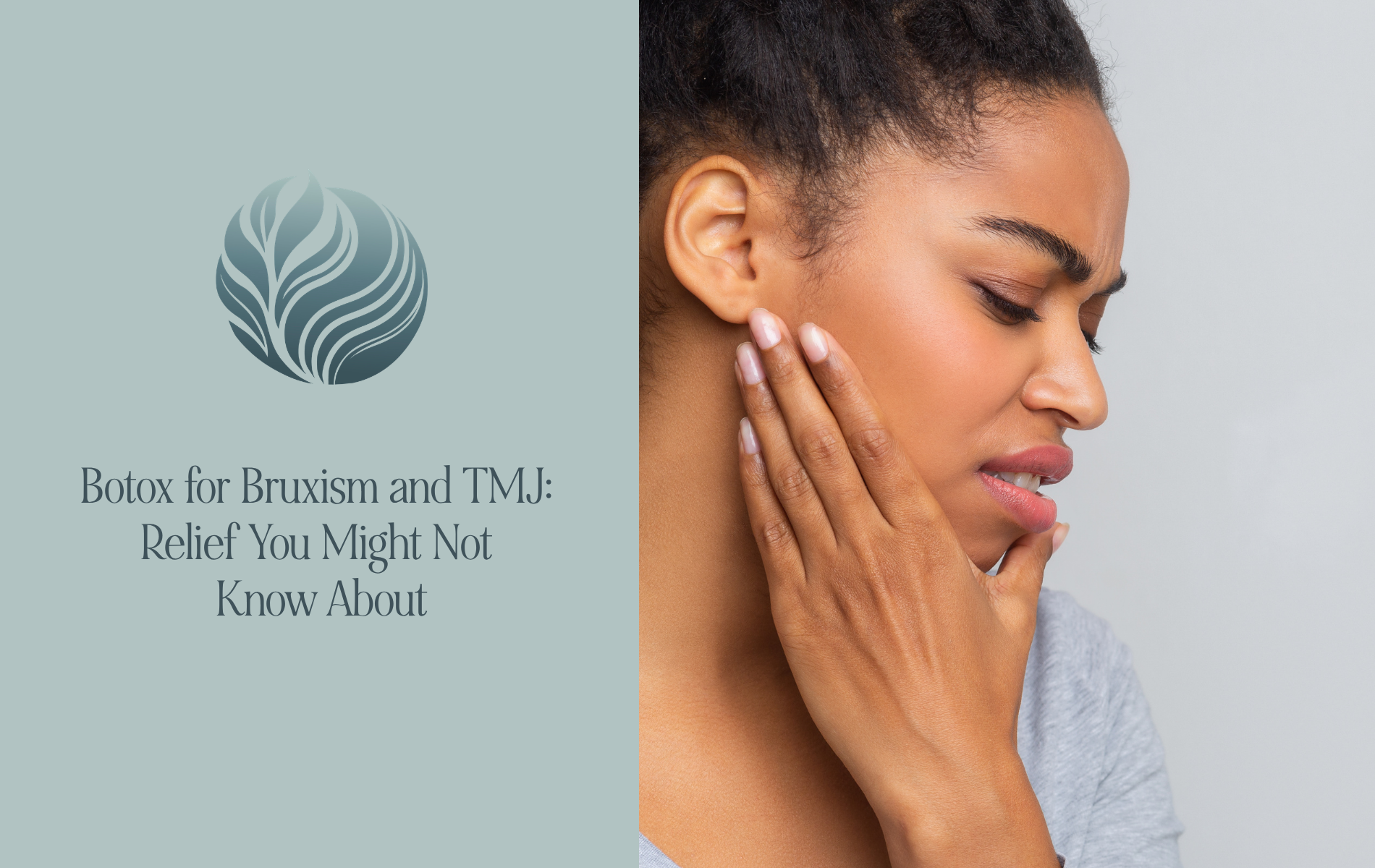
What Are Bruxism and TMJ — and Why Do They Matter?
Bruxism is the involuntary clenching or grinding of the teeth, most commonly occurring during sleep. Many people do it without ever knowing, until a dentist points out tooth wear or a partner mentions the grinding sounds at night. Stress, anxiety, certain medications, and sleep disorders can all contribute.
TMJ disorder (temporomandibular joint disorder) refers to pain and dysfunction in the jaw joint and the muscles that control chewing. The TMJ is the hinge connecting your jaw to your skull — one of the most complex joints in the body. When it is inflamed or overstressed, the results can include:
Jaw pain or tenderness
Clicking or popping when you open your mouth
Difficulty chewing or opening the jaw fully
Persistent headaches, often mistaken for tension or migraine headaches
Neck and shoulder pain
Ear pain or ringing
Left untreated, both conditions can lead to significant tooth damage, chronic pain, and reduced quality of life.
How Does Botox Help with Jaw Clenching and TMJ?
Botox (botulinum toxin) works by temporarily relaxing the muscles it is injected into. Most people think of Botox purely as a cosmetic treatment for fine lines — but it has been used medically for decades to treat muscle-related conditions, from migraines to hyperhidrosis - excessive sweating.
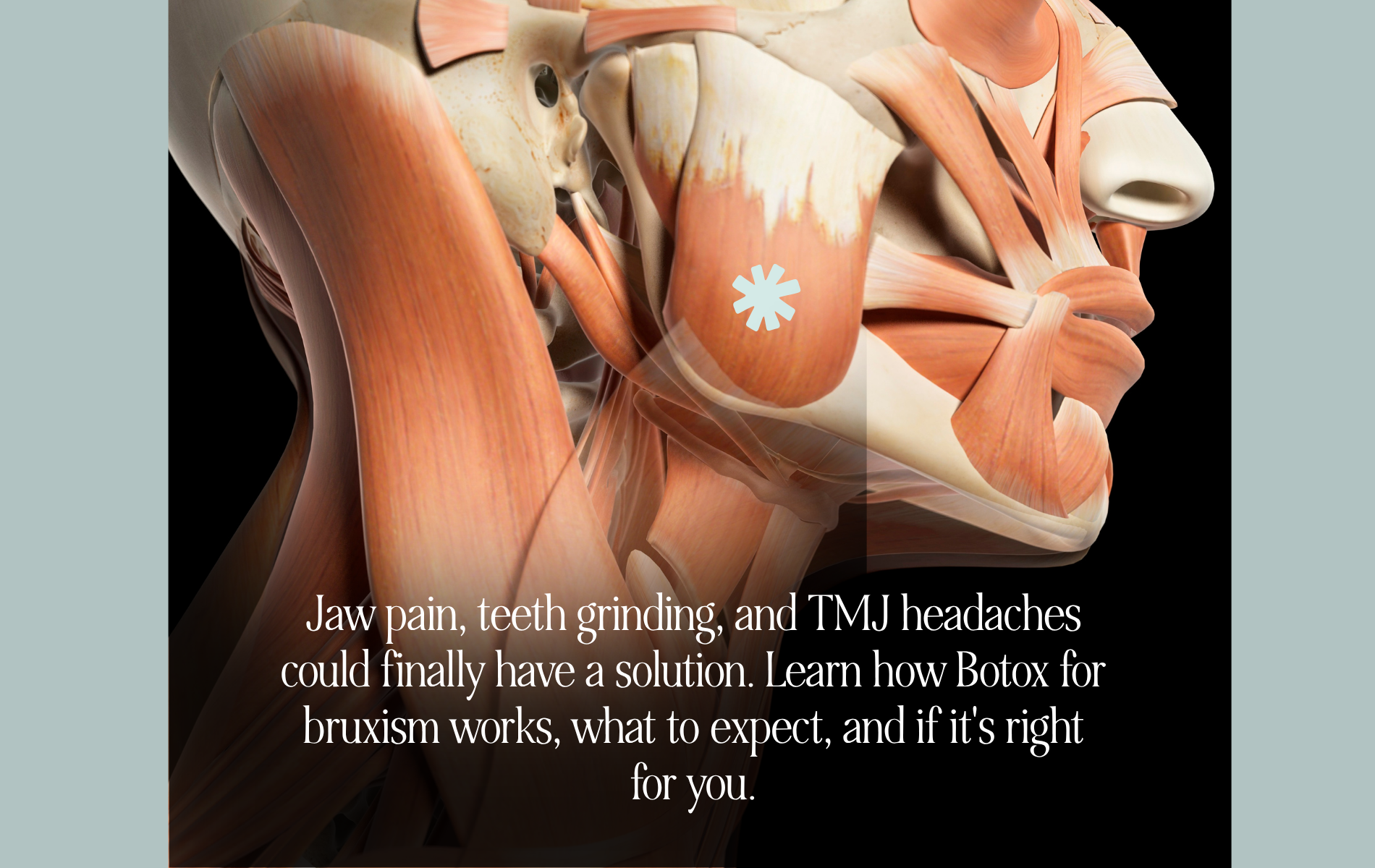
For bruxism and TMJ, the key target is the masseter muscle — the large, powerful muscle on either side of your jaw that is responsible for chewing. In people who clench or grind their teeth, this muscle works overtime, becoming overdeveloped and chronically fatigued. That chronic tension is a major driver of jaw pain, headaches, and tooth damage.
When small amounts of Botox are injected into the masseter, the muscle relaxes. It still functions normally for chewing and speaking — it simply can no longer generate the excessive, damaging force behind grinding and clenching. Most patients notice:
Significant reduction in jaw pain and tension
Fewer or less severe headaches
Reduced nighttime grinding (confirmed by partners and dentists)
A softer, slimmer appearance along the jawline — an added aesthetic benefit many patients appreciate
What Does Jaw Botox Treatment Actually Look Like?
One of the reasons patients love this treatment is how simple it is. Here is what to expect at Catalyst MedSpa:
Consultation: We start with a thorough conversation about your symptoms, history, and goals. We will also conduct a good faith medical review to screen for other medical issues that could make this treatment higher risk for you.
The injection: Using a very fine needle, Botox is injected into the masseter muscle on each side of the face. Most patients describe the sensation as a brief pinch. The entire appointment typically takes 15–30 minutes.
Onset and duration: You will not feel the results immediately — Botox takes about 5–7 days to begin working, with full effects at 2 weeks. Relief typically lasts 3–6 months, at which point a follow-up treatment maintains the results.
No downtime: You can return to your normal day immediately. Don’t rub or massage the treated area for at least 24 hours to prevent the Botox from migrating. Avoid strenuous exercise, heat exposure, and lying down flat for about 4 hours post-treatment. Skip alcohol and makeup around the treated area for the rest of the day.
Is Botox for Bruxism Right for You?
Jaw Botox is a great option if you:
Grind or clench your teeth (even if only during sleep)
Experience chronic jaw pain or soreness
Suffer from frequent tension headaches originating in the jaw or temples
Have tried night guards but find them uncomfortable or insufficient
Notice a square or "bulky" jawline from overdeveloped masseter muscles
Have been told by your dentist that tooth wear is a concern
It is worth noting that Botox is not a cure for the underlying causes of bruxism or TMJ — stress management, sleep hygiene, and dental interventions may still play a role in a comprehensive treatment plan. But for many patients, it is the most effective tool for breaking the cycle of muscle tension and pain.
Most adults in good general health are candidates. During your consultation at Catalyst MedSpa, we will review your health history and any medications to ensure it is safe and appropriate for you.
Why Choose Catalyst MedSpa for This Treatment?
Jaw Botox sits at the intersection of aesthetics and medicine — and that distinction matters. At Catalyst MedSpa, we understand musculoskeletal anatomy, we know how to assess TMJ dysfunction properly, and we can identify when symptoms warrant a referral to a dentist or specialist rather than an aesthetic intervention.
When you come to us for jaw Botox, you are not just getting a cosmetic treatment. You are getting precise injection technique and a provider who genuinely understands what is happening in your face.
Stop Living with Jaw Pain
We recommend Botox in combination with therapies that have been recommended by your dentist to protect your teeth or primary care provider. Because jaw pain can come from other causes including dental issues and more complex health issues, we also recommend you consult your doctor and dentist to evaluate for other causes of jaw pain. If you have been living with jaw tension, headaches, or the slow damage of teeth grinding, Botox may offer the relief you have been looking for — in a 30-minute appointment with no downtime.
Bruxism and TMJ disorders do not have to be your normal. Ready to find out if jaw Botox is right for you? Schedule a consultation with the team at Catalyst MedSpa in Tacoma, WA. We will take the time to listen, evaluate, and build a treatment plan that fits your needs.
Contact us today and book a consultation with Catalyst MedSpa. Let us help you achieve results you’ll love!