
IPL Photofacial for Redness and Sun Spots: Is It Right for You
If you’ve been searching for ipl photofacial in Tacoma, WA because you’re tired of facial redness, sun spots, or skin that just looks a little blotchy no matter what you use at home, you’re not alone. At Catalyst MedSpa, our IPL (Intense Pulsed Light) Photofacial treatment is designed to target dyschromia, red or brown discoloration, including pigmented lesions and broken capillaries, helping skin look clearer, smoother, and more radiant without surgery or significant downtime.
At Catalyst MedSpa in Tacoma, WA, we specialize in delivering results that boost your confidence while staying true to your natural beauty. Ready to learn more? Let’s dive in!
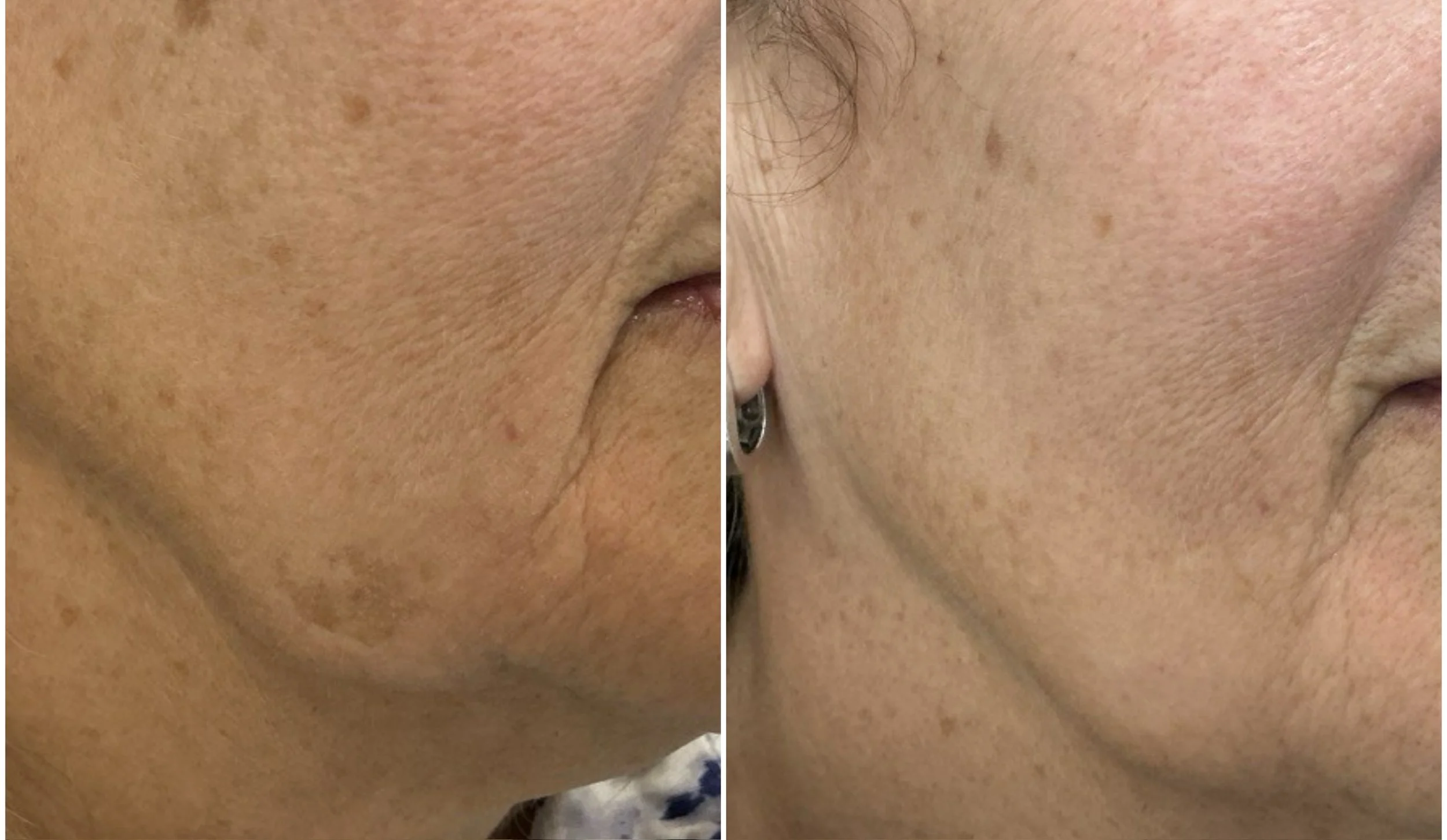
Catalyst Medspa patient before and after of brown age spots on the face showing great improvement after IPL x 3
What does IPL actually treat?
One of the reasons IPL is such a go-to treatment is that it can address more than one concern at once. At Catalyst Medspa, our IPL treatment targets pigmented lesions, age spots, redness, broken capillaries, and uneven tone, which makes it especially appealing when your skin concern isn’t just “brown spots” or just “redness” but a combination of both.
IPL for rosacea redness
If you’re researching IPL for rosacea redness, the main appeal is that IPL is designed to diminish redness and broken capillaries while promoting a more even skin tone. Not every type of facial redness is identical, which is why Catalyst begins with a skin assessment and consultation rather than a one-size-fits-all recommendation.
IPL for sun spots
For patients focused on IPL for sun spots, IPL is a strong option because it targets pigmented lesions and age spots caused by cumulative sun exposure, with minimal downtime. Catalyst offers IPL for areas like the full face, cheeks and nose, neck, chest, and hands, so it works well for the places where sun damage tends to show up first.
Uneven tone and “tired-looking” skin
Sometimes the issue isn’t one dramatic spot—it’s that overall patchy, dull, uneven look. IPL is designed to promote a more even skin tone and texture, so it can be a great fit when your goal is skin that looks fresher, brighter, and more uniform overall. The heat from the IPL treatment also stimulates collagenesis, resulting in a more even and youthful appearance overall.
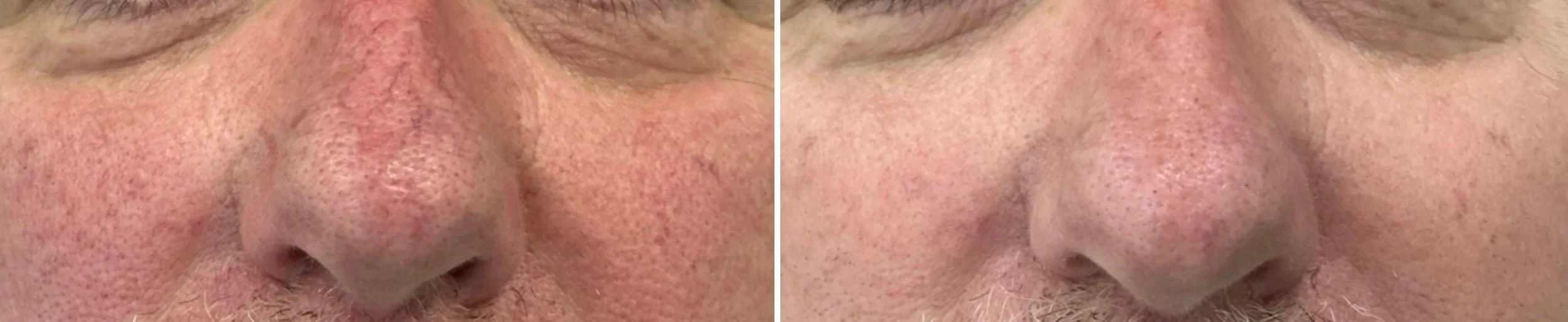
Before and after of a Catalyst patient who was having facial redness
Who is a good candidate for IPL—and who may need another option?
Good candidates for IPL are patients dealing with dyschromia, sun damage, or uneven skin tone who want a non-invasive treatment with minimal downtime. Most patients benefit from a single session of IPL, however more dramatic results can be achieved when a series of treatments is performed and spaced 4–6 weeks apart, and each session begins with a skin assessment to personalize the approach.
IPL may not be the best first step if your main concern is deeper texture, fine lines, acne scarring, or more intensive resurfacing. In those cases, we may guide you toward another option instead of forcing a treatment that is only “okay” for your goals. That consultation-first approach is very much the Catalyst vibe: personalized treatment plans, thoughtful recommendations, and pairing the right service with the right patient.
It’s also worth remembering that not every skin type responds the same way to every laser. If IPL isn’t the perfect fit, that doesn’t mean you’re out of options—it just means your best treatment plan may look a little different.
What is IPL downtime really like?
When patients ask about IPL downtime, the honest answer is: usually manageable, but not always completely invisible. Most patients experience a few days of mild to moderate swelling, and areas of pigmentation can take on a “coffee ground” appearance as those spots rise and shed. Social downtime can often be softened with tinted sunscreen or makeup after a day or two, with the treatment area typically settling down over about 1–2 weeks.
That’s one of the reasons IPL works so well for people who want a treatment that feels effective but still realistic for everyday life. You’re not signing up for a long recovery window, but you are giving your skin time to process pigment and heal beautifully.
IPL post-care: how to protect your results
Post-care matters just as much as the treatment itself. At Catalyst Medspa, our patients receive clear post-procedure instructions in multiple formats, plus follow-up support as they heal. Typical post IPL care emphasizes daily sunscreen, avoiding harsh products, and steering clear of tanning or self-tanners so the skin can recover as smoothly as possible.
The biggest takeaway? Protect your skin, be gentle with it, and follow the aftercare you’re given. That is how you get the kind of glow-worthy results that last.
IPL vs. chemical peel vs. CO2 for pigment
When pigment is the problem, there usually isn’t one “best” treatment across the board. There’s just the best treatment for your skin, your concerns, and your lifestyle.
Choose IPL when: your pigment comes with redness, visible capillaries, or blotchy uneven tone. Catalyst’s IPL treatment specifically targets pigmented lesions, age spots, and broken capillaries, so it shines when red and brown discoloration show up together.
Consider a chemical peel when: you want a customizable refresh focused on surface-level brightening, improved texture, hyperpigmentation, or mild acne scarring. Catalyst’s chemical peel offerings are built to improve tone and texture and can be tailored to different skin needs, though temporary redness, peeling, sensitivity and an increased number of treatments are part of the tradeoff.
Think CO2 laser when: pigment is paired with deeper texture issues, fine lines, wrinkles, or acne scars and you’re open to more recovery for more dramatic resurfacing. Catalyst’s CO2 laser is a treatment that removes damaged outer skin layers while stimulating collagen underneath, with typical recovery in the 5–7 day range depending on treatment intensity.
A simple way to think about it: IPL is often the move for red and brown discoloration, a peel is great for a brighter superficial reset, and CO2 is where the conversation shifts toward deeper resurfacing and collagen remodeling. The right answer depends on what your skin actually needs—not just what sounds trendy online.
Is IPL right for you?
If your biggest frustrations are redness, sun spots, and uneven tone—and you want something effective, non-invasive, and realistic for a busy schedule—IPL is often a beautiful place to start. At Catalyst, the process starts with a consultation and skin assessment so your treatment plan can be tailored to your skin, your goals, and the level of downtime you’re actually comfortable with.
Ready to explore your options?